

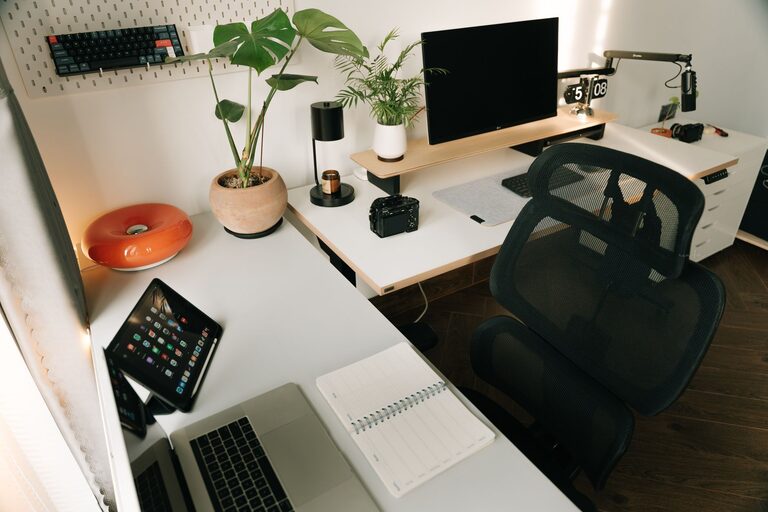
Creating a home workspace that balances relaxation and productivity is essential for anyone working remotely or managing tasks from home. When your workspace supports focus and calmness, your efficiency improves, and stress decreases. Here are practical tips to help you build a home office environment that nurtures both comfort and effectiveness.
Choose the Right Location
Finding the perfect spot in your home is the first step. Look for a quiet area with minimal distractions. Ideally, this space should be separate from leisure areas, so your brain associates it with work.
Consider Natural Light
Natural light has a positive impact on mood and energy levels. Position your desk near a window if possible. This also helps reduce eye strain during long hours of screen time.
Invest in Comfortable Furniture
Comfort is key to staying productive and relaxed during work hours.
– Ergonomic Chair: A chair with good lumbar support reduces the risk of back pain.
– Adjustable Desk: Whether sitting or standing, an adjustable desk can prevent discomfort.
– Spacious Desk: A clutter-free, ample surface area enables better organization.
Organize Efficiently
A well-organized space helps reduce distractions and saves time searching for things.
– Use drawers, shelves, or containers to keep supplies tidy.
– Employ cable management solutions to avoid tangled cords.
– Keep only essential items on your desk to maintain focus.
Personalize Your Space Calmly
Adding personal touches makes the workspace inviting but be careful not to overcrowd it.
– Place a small plant to bring a touch of nature.
– Use calming colors like soft blues or greens in your decor.
– Hang simple artwork or motivational quotes that inspire you.
Manage Noise Levels
Noise can be distracting or stressful. Here are ways to control sound:
– Use noise-cancelling headphones if your environment is noisy.
– Play soft instrumental music or white noise to enhance concentration.
– Close doors or windows to minimize outside sounds.
Use Proper Lighting
In addition to natural light, ensure your workspace has appropriate artificial lighting.
– Choose desk lamps with adjustable brightness.
– Avoid harsh overhead lights that can cause glare.
– Consider warm LED bulbs for a softer ambiance.
Establish Boundaries and Routine
Even the best workspace won’t help if boundaries and routines aren’t set.
– Define clear working hours to separate work from personal time.
– Inform family or roommates about your schedule to minimize interruptions.
– Take regular breaks to rest your eyes and stretch, boosting productivity and relaxation.
Incorporate Technology Wisely
Technology should facilitate your work, not complicate it.
– Use reliable devices and a stable internet connection.
– Organize your digital workspace with clear folders and minimized desktop clutter.
– Employ productivity tools or apps that help manage tasks and time effectively.
Keep Air Quality Fresh
Poor air quality can impact focus and health.
– Open windows to let fresh air circulate when possible.
– Use an air purifier to reduce dust and allergens.
– Add a few indoor plants known for improving air quality.
Maintain Cleanliness
A tidy workspace improves mental clarity.
– Wipe down surfaces regularly.
– Keep food and drinks away from electronics.
– Develop a habit of tidying your desk at the end of each workday.
—
By thoughtfully designing your home workspace, you create an environment where relaxation and productivity naturally support each other. Try these tips to tailor your space to your personal needs and watch your workdays become more enjoyable and efficient.