

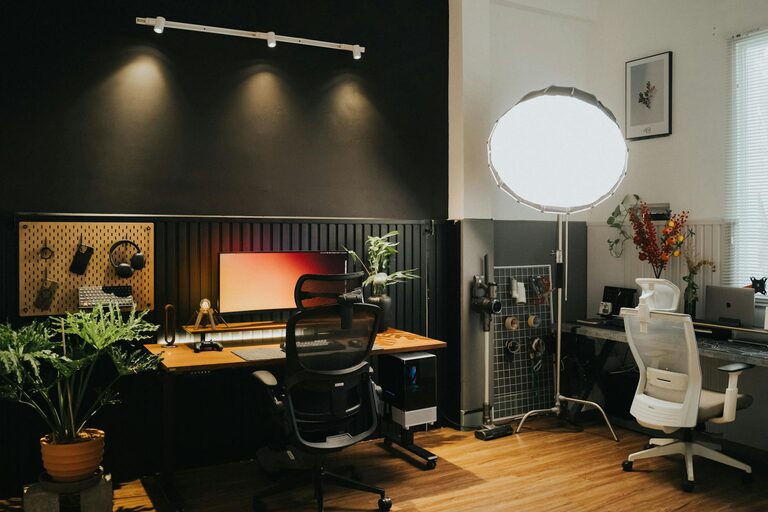
Creating an organized and productive home workspace is essential for anyone working remotely or managing tasks from home. A well-designed space can boost focus, reduce stress, and improve overall efficiency. Whether you have a dedicated room or a small corner, the right setup makes all the difference. Here are some practical tips to help you craft a home workspace that supports your best work.
Choose the Right Location
Find a Quiet Spot
Look for an area in your home where interruptions are minimal. This could be a spare room, a section of your bedroom, or even a nook in the living room. The quieter your workspace, the easier it is to concentrate.
Consider Natural Light
Position your desk near a window if possible. Natural light can reduce eye strain and improve your mood. If natural light isn’t available, invest in good quality artificial lighting that mimics daylight.
Invest in Comfortable, Functional Furniture
Select an Ergonomic Chair
A supportive chair that promotes good posture is key. Since you might spend several hours seated, choose one with adjustable height, lumbar support, and comfortable cushioning.
Opt for a Spacious Desk
Your desk should fit your work essentials without feeling cramped. Consider desks with built-in storage or enough surface area for a computer, notes, and any tools you frequently use.
Organize Your Workspace Effectively
Declutter Regularly
Keep only the items you need on your desk. Remove unnecessary papers, gadgets, and knick-knacks to minimize distractions.
Use Storage Solutions
Shelves, drawers, bins, and desk organizers can help keep supplies tidy and accessible. Label containers to quickly find what you need.
Manage Cables Neatly
Use cable clips, ties, or sleeves to organize cords and prevent tangling. A clutter-free workspace contributes to better concentration.
Personalize Your Space
Adding a few personal touches can make your workspace more inviting without creating clutter.
– Place a small plant nearby to improve air quality and add a splash of greenery.
– Hang a calendar or motivational artwork to keep you inspired.
– Use color-coordinated accessories for a cohesive look.
Optimize Your Technology Setup
Choose the Right Equipment
Ensure your computer, monitor, and peripherals are suitable for your work tasks. An external monitor can expand your screen space and reduce eye fatigue.
Maintain a Strong Internet Connection
A reliable internet connection is crucial. Position your workspace close to your router or use a wired connection for more stability.
Utilize Productivity Tools
Organize digital files, use task management apps, and set reminders to stay on track. Technology should simplify your work, not complicate it.
Establish Clear Work Boundaries
Set Consistent Working Hours
Define when your workday begins and ends to create routine and avoid burnout. Communicate your schedule with family or housemates.
Create a “Start Work” Ritual
Begin your day with a routine that signals it’s time to focus – whether it’s brewing coffee, reviewing your to-do list, or tidying your desk.
Keep Work and Leisure Separate
Avoid working in areas where you relax or sleep to help your brain associate your workspace with productivity.
Maintain Good Lighting and Air Quality
Use Adjustable Lighting
Combine overhead lights with task lamps at your desk. Being able to adjust lighting intensity helps reduce eye strain.
Ventilate Your Space
Open windows regularly or use a fan or air purifier to keep fresh air circulating, which can improve alertness and comfort.
Keep Your Workspace Clean
Spend a few minutes at the end of each day tidying your area. Wipe surfaces, file papers, and put away supplies. Starting the next day with a clean desk helps you hit the ground running.
Take Regular Breaks and Move
Focus is renewed when you step away from your desk periodically.
– Use a timer to remind yourself to stand, stretch, or walk around every hour.
– Consider a standing desk or a sit-stand converter to alternate your working posture.
Final Thoughts
An organized and productive home workspace doesn’t require a huge budget or a separate room. Thoughtful planning and consistent habits can transform any corner into a place where you can work efficiently and comfortably. By choosing the right location, investing in quality furniture, managing clutter, and setting clear boundaries, you’ll create an environment that supports your best work every day.